
Introduction
Traveling light is often described as a matter of convenience. In practice, it is something more exacting: an exercise in judgment. Every object must justify the space it occupies, every garment must work with the others, and every unnecessary decision can be left behind.
A well-packed weekender reflects the same principles as a well-considered life. It favors usefulness over accumulation, versatility over excess, and quiet confidence over display. The goal is not to travel with as little as possible. It is to travel with precisely enough.
Whether the destination is a coastal retreat, a city hotel, a countryside inn, or a brief business engagement, thoughtful preparation changes the experience. We arrive composed rather than encumbered, ready to participate in the journey instead of managing our belongings.
Principle One — Begin With the Journey, Not the Bag
Good packing begins before anything is placed inside the weekender. Consider the character of the destination, the length of the stay, the expected weather, and the occasions that may arise. A two-night business trip requires a different rhythm from an unstructured weekend on the coast.
The most common mistake is packing for every imaginable possibility. This creates volume without creating readiness. A more disciplined approach is to prepare for what is probable and select a small number of adaptable pieces for what is uncertain.
“The purpose of traveling light is not deprivation. It is freedom from managing what we did not need to bring.”
Begin with a simple itinerary. Identify the essential moments of the trip, then build around them. When each object has a defined purpose, editing becomes easier.
Principle Two — Choose a Wardrobe That Works Together
A compact travel wardrobe depends less on the number of garments than on the relationships between them. Each piece should complement the others in color, texture, and degree of formality.
Neutral tones make this easier. Navy, cream, white, charcoal, olive, and shades of brown can move naturally from daytime to evening. A lightweight knit can be worn alone, layered over a shirt, or placed beneath an unstructured jacket. A well-cut trouser can serve at breakfast, during an afternoon meeting, and later at dinner.
A Practical Two-Night Foundation
· One versatile jacket or refined outer layer
· Two shirts, polos, or knit tops
· One additional trouser or carefully chosen casual pant
· One lightweight knit for changing temperatures
· One pair of shoes suitable for most of the itinerary
· Only the personal accessories that will actually be used
This is not a universal formula. It is a framework for asking the right question: how many distinct combinations can be created without adding unnecessary volume?

Principle Three — The Weekender Should Serve the Traveler
A travel bag should not become another object that demands attention. Its role is to protect, organize, and move naturally with its owner. The most useful designs are often the least complicated.
Proportion matters. A weekender should be large enough for a short stay but compact enough to remain manageable in a car, train compartment, hotel lobby, or aircraft cabin. Structure helps the bag retain its form, while a generous opening makes the interior visible and accessible.
Handles should feel secure without appearing heavy. Hardware should be durable but restrained. A shoulder strap can be useful when walking through a station, while a rear luggage sleeve allows the bag to rest securely over the handle of rolling luggage during a longer journey.
These details rarely announce themselves. They are noticed through ease of use—the quiet satisfaction of an object performing exactly as intended.

Principle Four — Pack in an Order That Supports the Trip
Thoughtful packing is not merely about fitting everything inside. It is about arranging belongings so they remain protected and can be retrieved without disturbing the entire contents of the bag.
Begin with heavier and more structured pieces at the base. Place shoes in protective bags and position them where their weight will not compress delicate clothing. Trousers and knitwear can be folded in broad, clean layers. Shirts should be placed nearer the top, where pressure is reduced.
Small essentials benefit from a consistent home. A passport companion, card holder, charging cable, grooming item, or pair of sunglasses should not disappear beneath clothing. Interior pockets and small organizers are most valuable when they eliminate searching.
Keep the items needed during transit immediately accessible. The object required at the airport or hotel reception should never be the one packed at the bottom.
Principle Five — Allow Good Materials to Record the Journey
The best travel objects do not remain untouched. Handles soften. Leather develops tonal variation. The surface begins to reflect where the object has been held, carried, placed, and used.
This should not be confused with careless wear. Quality materials reward proper maintenance, but they need not be protected from every sign of life. A natural patina is evidence of continuity: one trusted object accompanying its owner through many different places.
There is an honesty in this evolution. Instead of being replaced whenever it loses its original perfection, the object becomes more personal and more distinctly connected to the person carrying it.

The Considered Arrival — Carry Less. Experience More.
Traveling light creates a particular kind of calm. There is less to account for, less to organize, and less standing between the traveler and the destination.
The result is not simply a lighter bag. It is a more fluid journey. We move through stations, airports, hotel corridors, and unfamiliar streets with fewer distractions. We arrive with what we need and without the burden of what we do not.
The art lies in selection: choosing objects of lasting utility, allowing them to serve repeatedly, and understanding that refinement is often found not in having more, but in needing less.
The art of traveling light begins with knowing what is worth carrying.” — Maison Viven
Common Questions About Traveling With a Weekender
What is a weekender bag?
A weekender is a medium-sized travel bag designed for short trips, typically one to three nights. It carries clothing, footwear, grooming essentials, and personal accessories without the bulk and rigidity of a full suitcase.
What should be packed for a two-night trip?
A practical two-night packing list includes two versatile tops, one additional trouser, a lightweight knit or jacket, undergarments, sleepwear, grooming essentials, and one primary pair of shoes. The exact selection should reflect the destination, weather, planned activities, and degree of formality.
How large should a leather weekender be?
A useful leather weekender should provide enough capacity for a short stay while remaining comfortable to carry and easy to place in a vehicle, train compartment, or appropriate aircraft storage area. Proportion, access, and organization are more important than maximum capacity.
Is a structured or soft weekender better?
A structured weekender retains its shape, helps protect its contents, and presents a more refined appearance. A softer design can be lighter and easier to compress. The better choice depends on how the bag will be used, but structure is especially valuable when a composed appearance and easy organization are priorities.
How should a leather travel bag be cared for?
Keep the bag clean and dry, avoid prolonged exposure to direct heat or intense sunlight, and wipe away surface dust with a soft cloth. When not in use, empty the bag, preserve its shape with clean tissue or soft fabric, and store it in a breathable dust bag. Conditioning should be appropriate to the specific leather and used sparingly.
Why is traveling light more enjoyable?
Traveling light reduces physical burden, simplifies transportation, shortens packing and unpacking, and makes important belongings easier to locate. More importantly, it allows the traveler to devote greater attention to the destination and less attention to managing luggage.
How do you choose versatile clothing for a short trip?
Choose garments that share a restrained color palette, layer easily, and can move between casual and more refined settings. Each piece should work with several others so that additional combinations do not require additional volume.
What features matter most in a quality weekender bag?
Useful proportions, durable handles, a generous opening, thoughtful interior organization, restrained hardware, and a stable structure all contribute to ease of use. For longer journeys, a removable shoulder strap and a rear luggage sleeve can add practical versatility.

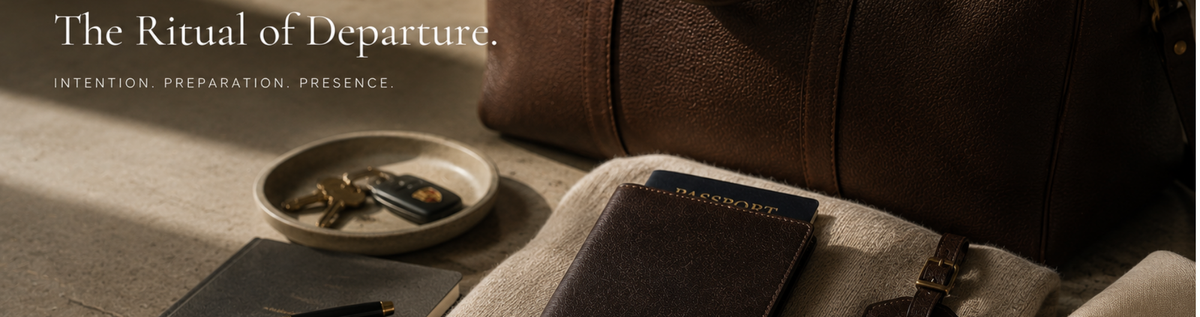
A journey begins before the door closes. Explore how the quiet ritual of preparing to leave can clarify what we need, what we carry, and what deserves to come with us.Meta Description: Explore the ...
Read more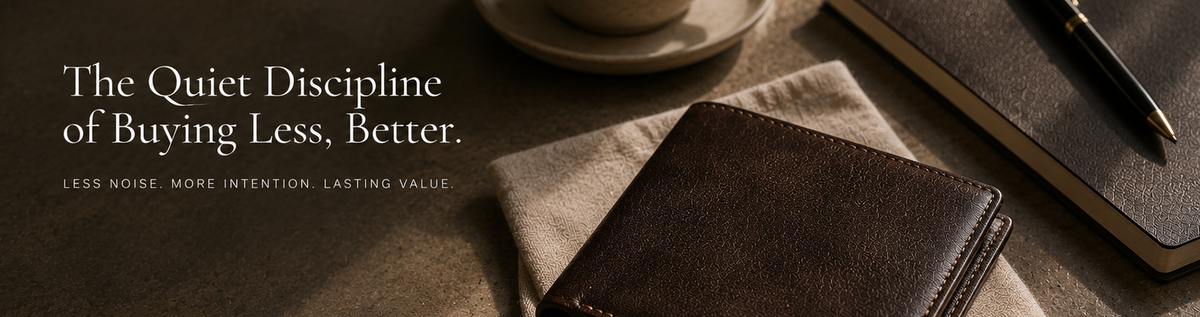
The Quiet Discipline of Buying Less, Better
Buying less, better is a discipline of selection. Explore how purpose, quality, restraint, care, and time can lead to fewer, more enduring possessions
Read more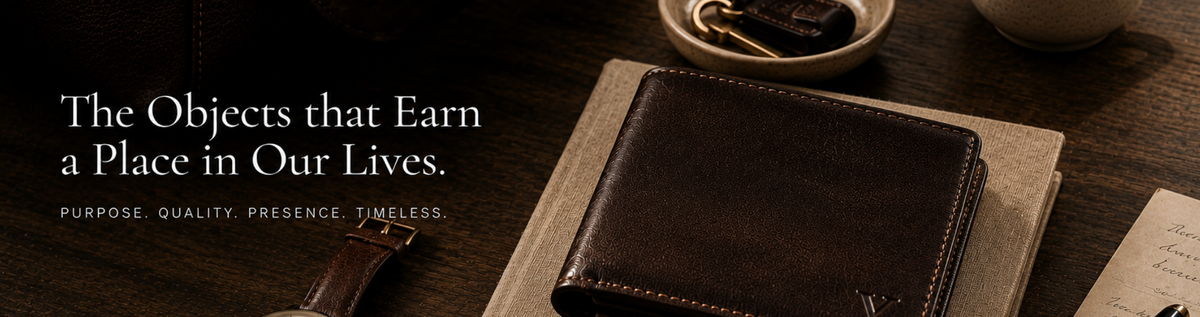
The Objects that Earn a Place in Our Lives
Why do some possessions become indispensable while others are quickly replaced? Maison Viven explores usefulness, familiarity, quality, patina, and the value of objects made to be kept.
Read more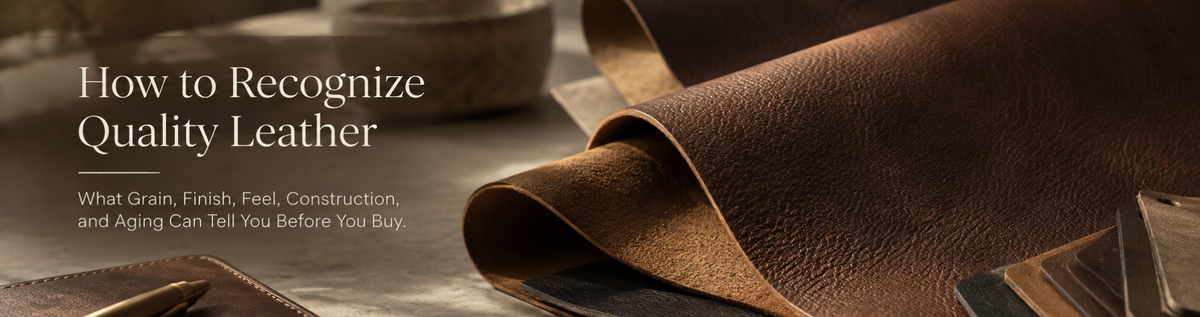
How to Recognize Quality Leather
Learn how to evaluate quality leather by understanding grain, finish, feel, construction, and aging—and why no single label, price, or country of origin tells the whole story.
Read more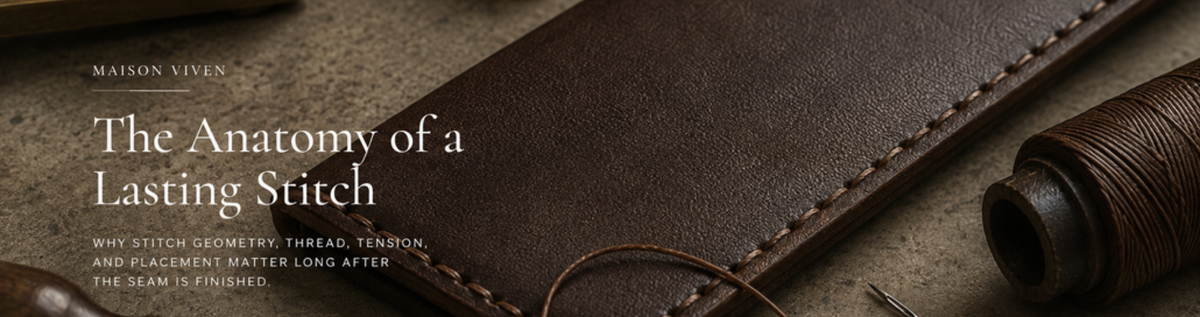
The Anatomy of a Lasting Stitch
Discover how stitch length, thread, tension, edge distance, and seam geometry influence the durability and refinement of well-made leather goods.
Read more
The Architecture of a Well-Made Object
Discover the hidden architecture of well-made leather goods—from reinforcement and skiving to lining, hardware, and structure designed for years of use.
Read more