
Introduction
Newness has a persuasive clarity... Patina is the visible result of time, contact, care and continued usefulness. For Maison Viven, the most enduring possessions become more individual through use.
Patina Is a Process, Not a Finish

Why Some Leather Ages More Beautifully

The Difference Between Patina and Damage

How to Encourage Graceful Aging

Why Patina Creates Emotional Value

The Beauty of Becoming

"Patina is not the mark of age. It is the evidence of a life well lived."- Maison Viven
Frequently Asked Question
What is leather patina?
Leather patina is the natural evolution of full-grain leather over time. Through regular use, exposure to light, and careful handling, the leather develops a richer color, softer feel, subtle sheen, and unique surface character that reflects its history.
Does all leather develop patina?
All leather changes with age, but not all leather develops an attractive patina. Premium full-grain leather retains its natural surface, allowing it to mature beautifully. Heavily corrected or coated leathers often resist these changes and remain more uniform over time.
Is patina the same as damage?
No. Patina is a natural sign of thoughtful use and careful ownership. It enhances the character of an object while preserving its function. Damage, on the other hand, results from neglect or excessive wear and compromises the leather's appearance, structure, or durability.
How long does it take for leather to develop patina?
There is no fixed timeline. The development of patina depends on the type of leather, how frequently the item is used, and how it is cared for. Frequently handled leather goods, such as wallets, often begin showing subtle changes within months, while larger items may evolve gradually over many years.
Can patina be accelerated?
While there are methods that claim to speed up the aging process, authentic patina develops naturally through regular use and proper care. Artificial techniques often produce inconsistent results and may permanently damage the leather. The most beautiful patina is earned over time.
How should leather be maintained?
Keep leather clean and dry, avoid prolonged exposure to direct sunlight or excessive moisture, and store it in a breathable environment when not in use. Use a high-quality leather conditioner sparingly and only when appropriate for the specific leather. Proper care preserves the leather while allowing it to age gracefully.
Why do people value patina?
Patina gives every leather object a unique identity. As the leather changes through years of daily use, it reflects the owner's habits, travels, and experiences. Rather than diminishing the object, patina transforms it into something more personal, more meaningful, and impossible to replicate.

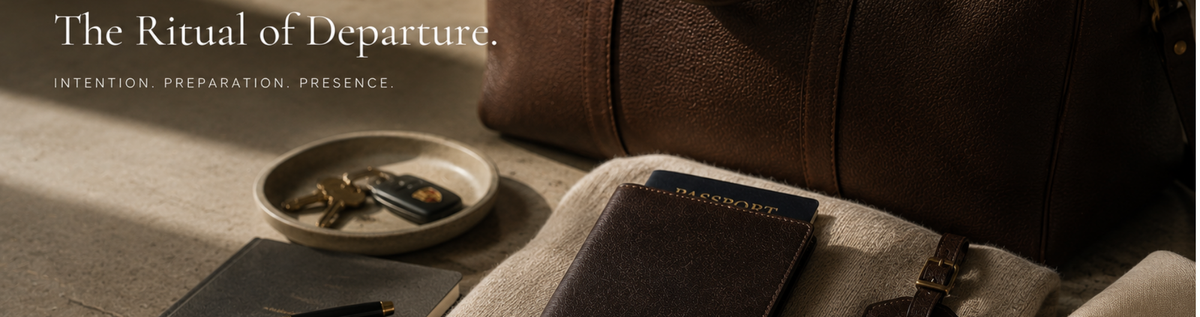
A journey begins before the door closes. Explore how the quiet ritual of preparing to leave can clarify what we need, what we carry, and what deserves to come with us.Meta Description: Explore the ...
Read more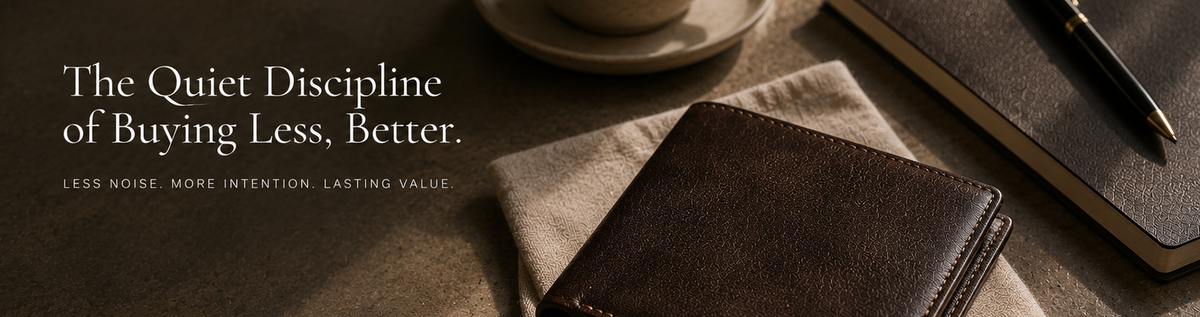
The Quiet Discipline of Buying Less, Better
Buying less, better is a discipline of selection. Explore how purpose, quality, restraint, care, and time can lead to fewer, more enduring possessions
Read more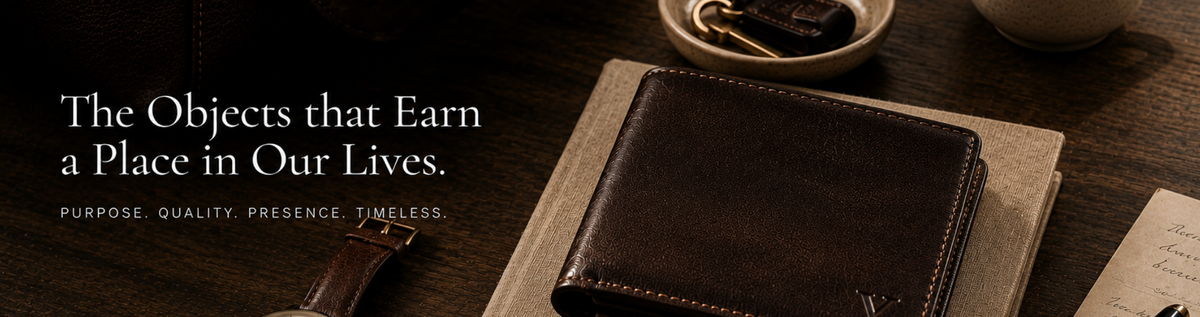
The Objects that Earn a Place in Our Lives
Why do some possessions become indispensable while others are quickly replaced? Maison Viven explores usefulness, familiarity, quality, patina, and the value of objects made to be kept.
Read more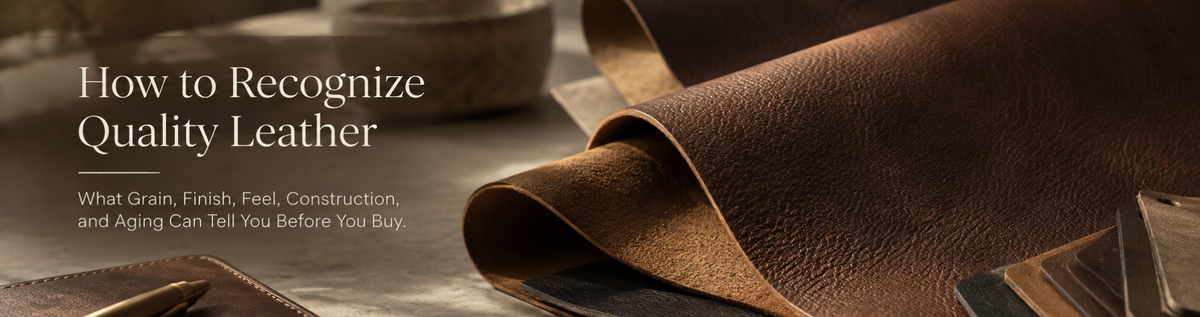
How to Recognize Quality Leather
Learn how to evaluate quality leather by understanding grain, finish, feel, construction, and aging—and why no single label, price, or country of origin tells the whole story.
Read more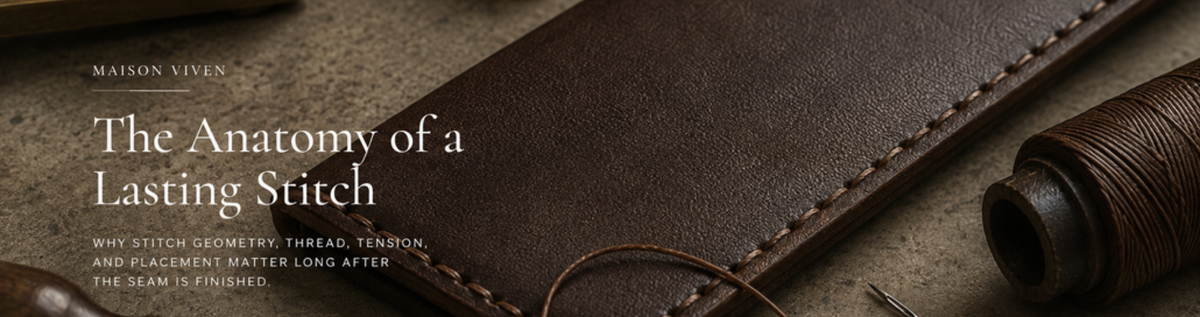
The Anatomy of a Lasting Stitch
Discover how stitch length, thread, tension, edge distance, and seam geometry influence the durability and refinement of well-made leather goods.
Read more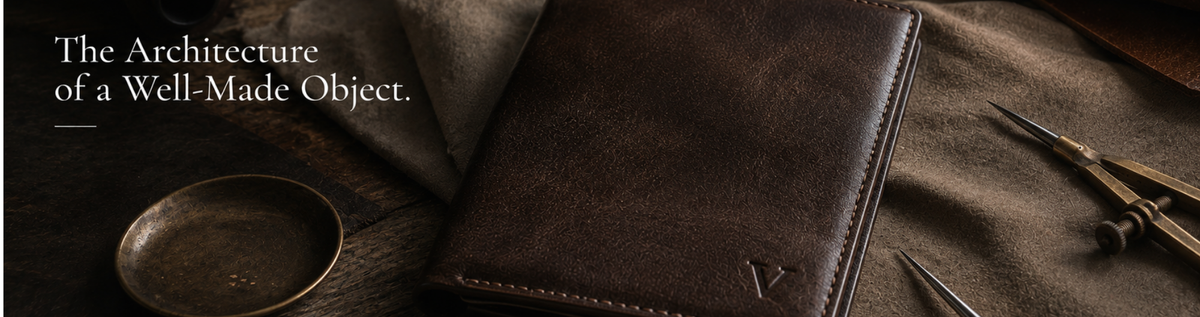
The Architecture of a Well-Made Object
Discover the hidden architecture of well-made leather goods—from reinforcement and skiving to lining, hardware, and structure designed for years of use.
Read more