
Introduction — The Difference Between Owning and Keeping
We acquire many things. We keep far fewer.
The distinction is easy to overlook. Purchase is a moment; ownership is a relationship. An object may attract us through design, material, reputation, or simple novelty, but none of those qualities guarantees that it will become important to us.
The objects that truly earn a place in our lives usually do so more quietly. They prove useful. They become familiar. They perform without unnecessary friction. Their materials respond well to time. Eventually, reaching for them requires almost no thought.
At Maison Viven, we find this transition—from something newly acquired to something genuinely relied upon—more interesting than newness itself.
Usefulness Comes First
An enduring object needs a reason to exist.
Beauty matters. Material matters. Craftsmanship matters. But if an object repeatedly complicates the task it was meant to simplify, admiration alone rarely sustains the relationship.
A wallet should organize without becoming bulky. A card holder should make lighter carry genuinely easier. A passport companion should reduce the small uncertainties of travel. A weekender should hold what a short journey requires while remaining comfortable to carry and straightforward to use.
Good design often reveals itself not through what we notice, but through what we no longer have to think about.
 The best objects reduce friction before they attract attention.
Familiarity Is an Underrated Form of Luxury
There is a particular satisfaction in knowing an object completely.
We know how it opens. Where everything belongs. How it feels in the hand. Which pocket it fits. How much it carries before it becomes too full. Familiarity eliminates small decisions.
This is different from excitement. Excitement belongs naturally to something new. Familiarity is earned through repetition.
In a culture organized around constant replacement, familiarity can seem almost unremarkable. Yet an object that becomes easier and more satisfying to use over time has achieved something that novelty cannot provide: trust.
Materials That Record Ownership
Some materials make this relationship visible.
Quality leather can soften at points of contact, deepen in tone, develop subtle sheen, and acquire variations unique to the way it is carried. Metal may gain small signs of handling. A well-used surface begins to tell a story that could not have been applied convincingly at the factory.
This is not an argument for neglect. Damage and patina are not the same thing. Care remains part of ownership.
But when a material is capable of aging gracefully, time can add individuality rather than simply subtract perfection. Two objects that began alike may eventually become unmistakably different because their histories are different.
 Time can turn material consistency into personal character.
Quality Is Revealed Over Time
The first impression of an object tells us relatively little about its long-term value.
Construction reveals itself through repetition. Does the stitching remain secure? Does the hardware continue to move smoothly? Does the structure retain its purpose without becoming unnecessarily rigid? Do edges remain composed? Does the object continue to feel appropriate after the visual novelty has faded?
This is why quality cannot be reduced to price, branding, or a single material claim.
Lasting quality is cumulative. It emerges from the relationship between design, materials, construction, maintenance, and use.
The Quiet Economics of Keeping
There is also a practical dimension to keeping an object for longer.
A purchase that remains useful through years of frequent use may deliver more value than several less satisfying objects repeatedly replaced. This does not mean the most expensive choice is automatically the wisest one. It means the purchase price is only one part of value.
Frequency of use matters. Longevity matters. Maintenance matters. Repairability may matter. Most of all, the continued desire to use the object matters.
The most successful possession is often the one that quietly removes itself from the cycle of searching, comparing, replacing, and buying again.
 Care extends the useful life of an object—and deepens our relationship with it.
When an Object Has Earned Its Place
How do we know when an object has earned its place?
Perhaps the clearest sign is that we stop evaluating it.
We no longer wonder whether there is a newer version. We do not need to be reminded why we bought it. It simply performs its role and accompanies the routines, journeys, and ordinary moments of life.
It may eventually carry scratches, softened edges, repaired stitching, or a surface transformed by years of handling. None of these necessarily diminish what the object has become.
Because by then its value is no longer contained entirely in the object itself. Part of it exists in familiarity, memory, and continuity.
That is a standard worth designing for—and a form of ownership worth protecting.
“The finest objects do not continually ask to be noticed. They simply give us fewer reasons to replace them.”
— Maison Viven
Frequently Asked Questions
What makes an object worth keeping?
An object becomes worth keeping when usefulness, quality, familiarity, and personal value continue beyond the initial excitement of purchase. The strongest objects perform their purpose reliably and remain satisfying through repeated use.
Does a higher price mean an object will last longer?
No. Price alone is not proof of durability or quality. Materials, construction, design, maintenance, frequency of use, and suitability for purpose all influence how well an object performs over time.
Why is familiarity important in good design?
Familiarity reduces friction. When an object is intuitive and consistently useful, its operation becomes almost automatic. That ease can make a familiar object more valuable in daily life than a newer alternative.
Is patina the same as wear or damage?
No. Patina is the gradual change in a material through normal use, handling, light, and appropriate care. Damage compromises appearance, structure, or function. Good leather can develop attractive patina while remaining structurally sound.
Should quality leather goods be kept looking new?
They should be cared for, but they do not need to remain visually untouched. Appropriate cleaning, storage, and conditioning can protect leather while still allowing natural changes in tone, softness, and surface character.
Is buying fewer objects always better?
Not automatically. The objective is not minimalism for its own sake. Thoughtful ownership means choosing objects appropriate to real needs and avoiding unnecessary duplication or replacement when what we already own continues to serve well.
How can I judge whether something is likely to earn a long-term place in my life?
Consider purpose before novelty. Ask how often you expect to use it, whether the design makes that use easier, whether the materials and construction suit the task, how it can be maintained, and whether its appeal depends mainly on a current trend.

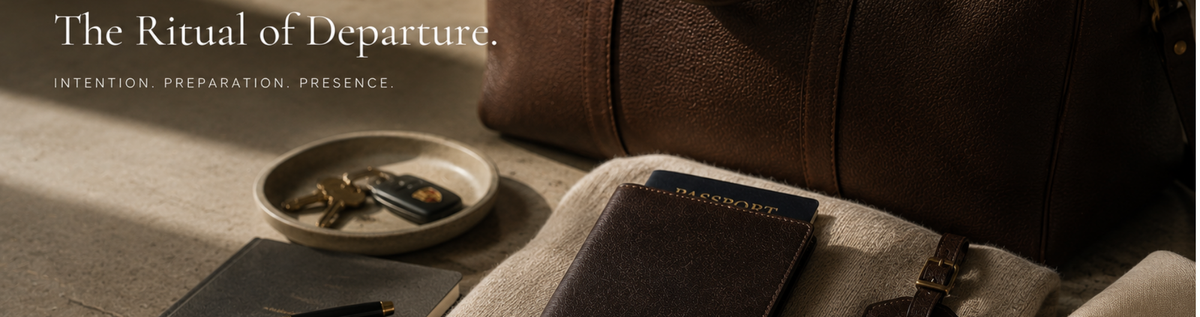
A journey begins before the door closes. Explore how the quiet ritual of preparing to leave can clarify what we need, what we carry, and what deserves to come with us.Meta Description: Explore the ...
Read more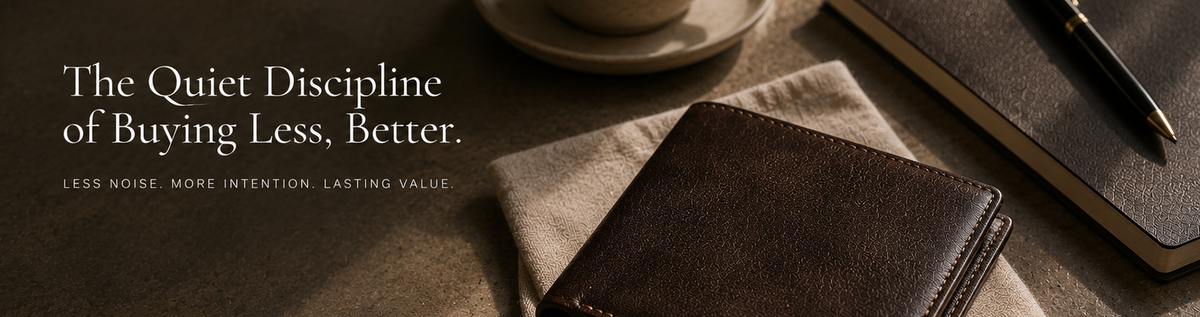
The Quiet Discipline of Buying Less, Better
Buying less, better is a discipline of selection. Explore how purpose, quality, restraint, care, and time can lead to fewer, more enduring possessions
Read more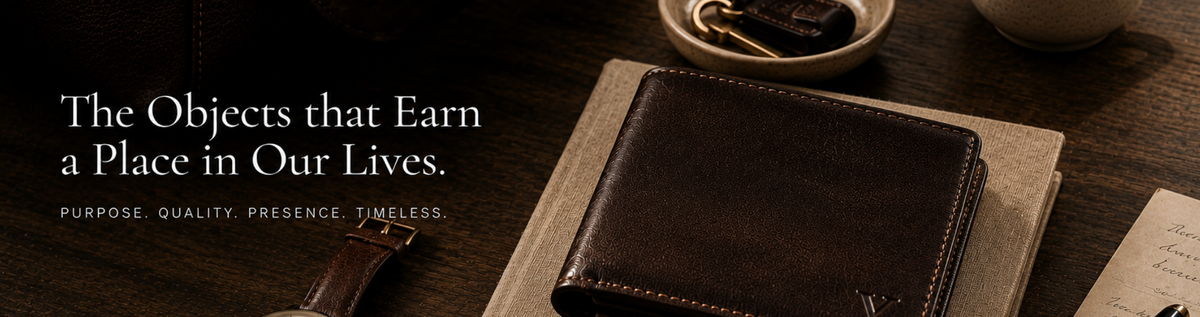
The Objects that Earn a Place in Our Lives
Why do some possessions become indispensable while others are quickly replaced? Maison Viven explores usefulness, familiarity, quality, patina, and the value of objects made to be kept.
Read more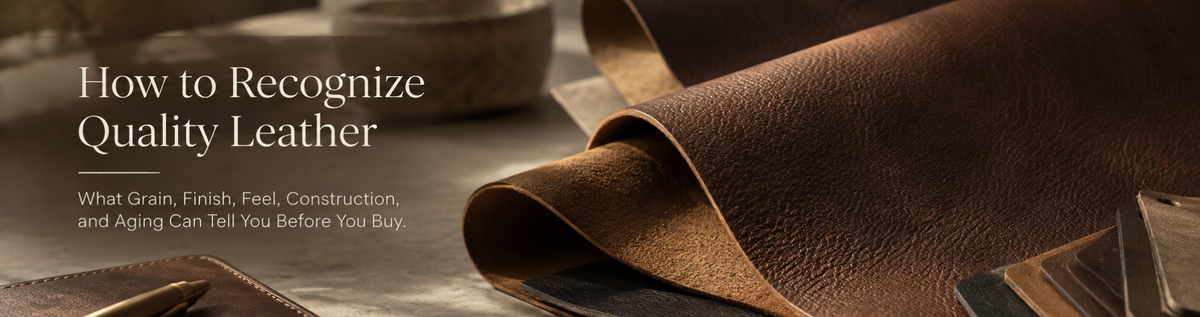
How to Recognize Quality Leather
Learn how to evaluate quality leather by understanding grain, finish, feel, construction, and aging—and why no single label, price, or country of origin tells the whole story.
Read more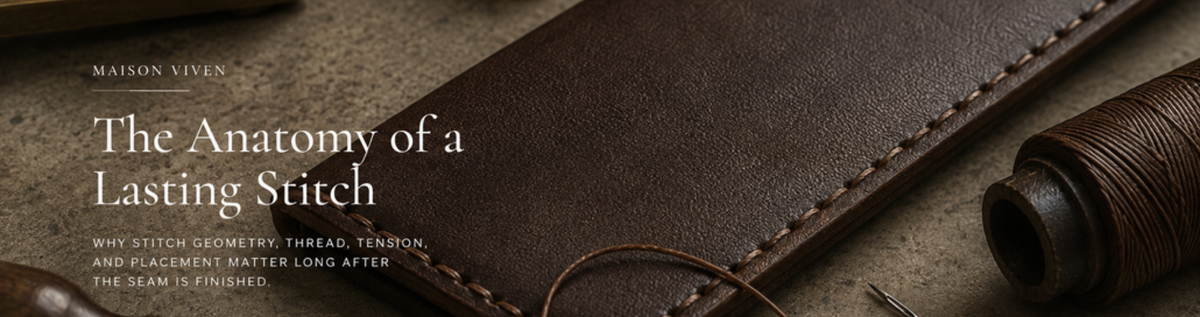
The Anatomy of a Lasting Stitch
Discover how stitch length, thread, tension, edge distance, and seam geometry influence the durability and refinement of well-made leather goods.
Read more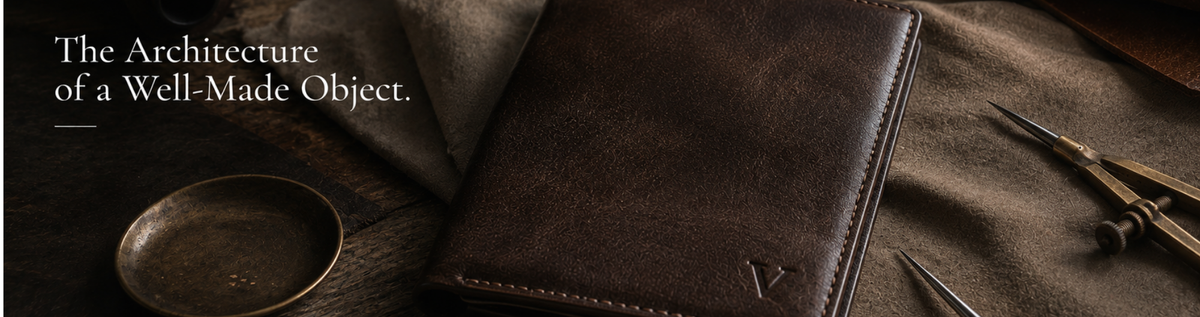
The Architecture of a Well-Made Object
Discover the hidden architecture of well-made leather goods—from reinforcement and skiving to lining, hardware, and structure designed for years of use.
Read more