
Introduction
A journey often begins before the door closes. It begins in the quiet hours of preparation: a bag opened on a chair, a passport placed where it will not be forgotten, a few clothes chosen and the unnecessary left behind. Departure creates a temporary boundary around what matters. For Maison Viven, this ritual is not about perfect packing. It is about attention—choosing what will accompany us, preparing with intention, and recognizing that movement can clarify what everyday life tends to obscure.
The Journey Begins Before We Leave
There is a particular stillness to the evening before departure. Ordinary objects acquire new importance because each one must answer a simple question: will it come with us? A passport, wallet, watch, notebook, charger, jacket or book is no longer simply where it usually lives. It becomes part of a small, temporary system built for the days ahead.
Preparation is therefore more than logistics. It is anticipation made physical. Checking a route, considering the weather, setting an alarm and placing essential things together allow the mind to begin moving before the body does. A well-prepared departure reduces friction, but it also creates space for expectation. The journey starts in the act of becoming ready.
Selection Reveals What Matters
Limited space imposes useful discipline. At home, possessions can accumulate without asking much of us. A bag is less forgiving. Every addition has weight, volume and consequence.
This is why packing can be unexpectedly revealing. We discover which clothes we actually rely on, which objects make daily routines easier, and which things we carry only from habit. The goal is not deprivation. It is sufficiency: enough to move comfortably and confidently without allowing excess to become another responsibility.
The most useful travel objects often share the same qualities. They are familiar, dependable, adaptable and easy to understand. Their value comes not from novelty but from removing small uncertainties from the journey.
Familiar Objects in Unfamiliar Places

Travel changes context. A familiar wallet is opened in another currency. A notebook rests on an unfamiliar table. A well-used bag sits beside a hotel door rather than at home. These objects become small points of continuity between the known and the unknown.
That continuity matters because good travel asks us to be open to difference. The more reliably our essentials perform, the less attention they demand. A thoughtfully chosen object does not compete with the experience; it supports it quietly.
Over time, certain possessions also become records of movement. A softened handle, a faint mark from a train platform or the patina developed through repeated journeys can attach memory to material. The object returns home carrying evidence that it has participated in life rather than merely been stored.
The Moment the Door Closes

There is a subtle psychological shift when we finally leave. The checklist ends. The house becomes temporarily still. The familiar schedule loosens its hold, and attention turns outward.
This moment is one reason the ritual of departure matters. Good preparation allows us to cross that threshold without mentally carrying unfinished details with us. We know where the passport is. We know what is in the bag. We know that what was intentionally left behind can remain there.
The reward is not efficiency for its own sake. It is presence. When preparation has been considered, departure feels less like escaping one set of obligations and more like entering a different rhythm.
Travel Lightly, Notice More

Traveling lightly is sometimes described as a packing technique, but its deeper value is attentional. Fewer things mean fewer things to organize, protect, search for and repack. What remains becomes easier to know and easier to use.
This does not require extreme minimalism. A beautifully made object, an extra layer for comfort or a book chosen for the journey can be entirely justified. Intentional travel is not about owning the smallest possible number of things. It is about understanding why each one is there.
When our belongings occupy less mental space, the journey itself can occupy more: the light in a new city, a conversation over dinner, the road between destinations, the silence of an early morning.
What We Bring Home

Return is the final part of departure. We unpack the same objects, but the context has changed again. Some things proved indispensable. Others never left the bottom of the bag. A journey can quietly edit our understanding of what we need.
That lesson can extend beyond travel. The discipline of choosing for a few days reminds us that usefulness, familiarity and quality often matter more than abundance. We may return with a clearer sense of which possessions genuinely support our lives—and which simply occupy space within them.
Perhaps this is why departure can feel clarifying. For a short time, we reduce life to what can be carried. In doing so, we are reminded that the finest companions are not necessarily the most numerous. They are the ones chosen with care.
“Departure has a way of clarifying what we actually need.” — Maison Viven
Frequently Asked Questions and answers
What is the ritual of departure?
The ritual of departure is the period of intentional preparation before a journey—selecting what to carry, organizing essentials and creating a calm transition from everyday life into travel.
Why can preparing for travel feel meaningful?
Preparation forces us to make choices. Limited space helps distinguish genuine needs from habits, while thoughtful organization can reduce friction and make it easier to be present once the journey begins.
How is intentional packing different from minimalist packing?
Intentional packing is not about carrying the fewest possible items. It is about giving each item a clear purpose and choosing enough for comfort, usefulness and confidence without unnecessary excess.
Why do familiar objects matter when traveling?
Reliable, familiar objects provide continuity in unfamiliar settings. Because we already understand how they work and trust them, they demand less attention and allow more focus on the experience of travel.
What makes a good travel companion?
A good travel companion is dependable, useful, adaptable and comfortable to live with repeatedly. Durability and thoughtful design matter because travel exposes objects to frequent handling and changing environments.
Can traveling light improve the experience of a trip?
Often, yes. Carrying fewer unnecessary items can reduce organization, searching and repacking, leaving more attention available for places, people and experiences.
What can travel teach us about ownership?
Travel temporarily limits what we can carry. That constraint can reveal which possessions genuinely support daily life and can encourage more deliberate choices after returning home.
How should I prepare the night before a trip?
Gather essential documents and everyday carry items first, review weather and itinerary needs, choose clothing deliberately, charge necessary devices and leave enough margin to avoid rushed last-minute decisions.

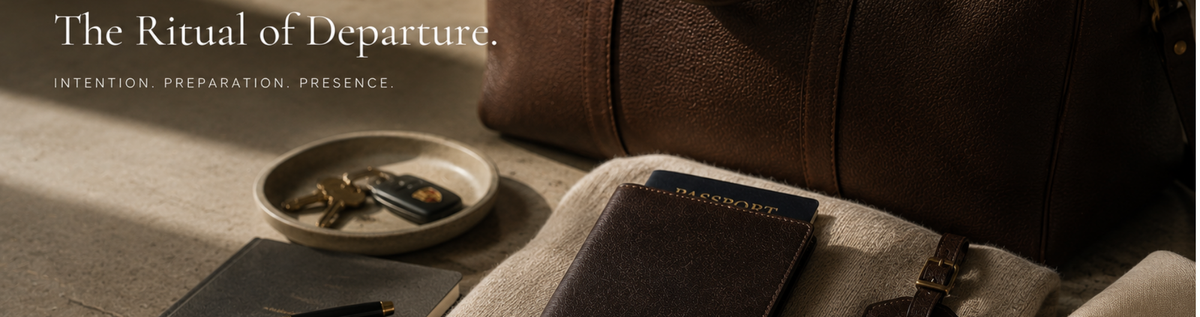
A journey begins before the door closes. Explore how the quiet ritual of preparing to leave can clarify what we need, what we carry, and what deserves to come with us.Meta Description: Explore the ...
Read more
The Quiet Discipline of Buying Less, Better
Buying less, better is a discipline of selection. Explore how purpose, quality, restraint, care, and time can lead to fewer, more enduring possessions
Read more
The Objects that Earn a Place in Our Lives
Why do some possessions become indispensable while others are quickly replaced? Maison Viven explores usefulness, familiarity, quality, patina, and the value of objects made to be kept.
Read more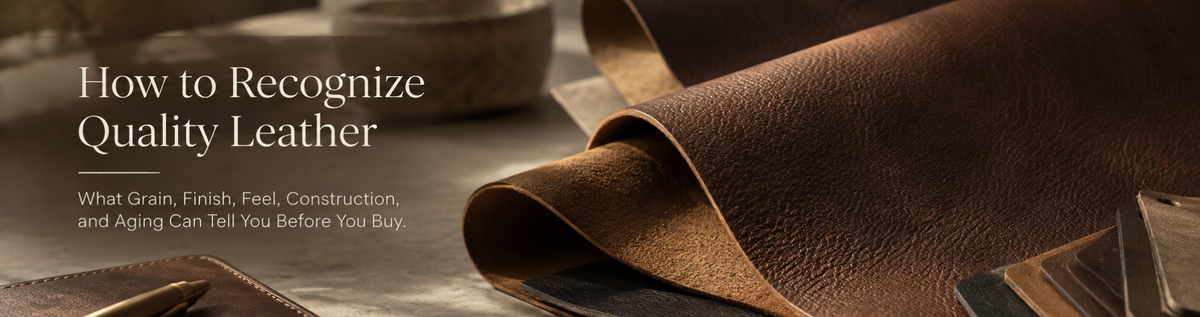
How to Recognize Quality Leather
Learn how to evaluate quality leather by understanding grain, finish, feel, construction, and aging—and why no single label, price, or country of origin tells the whole story.
Read more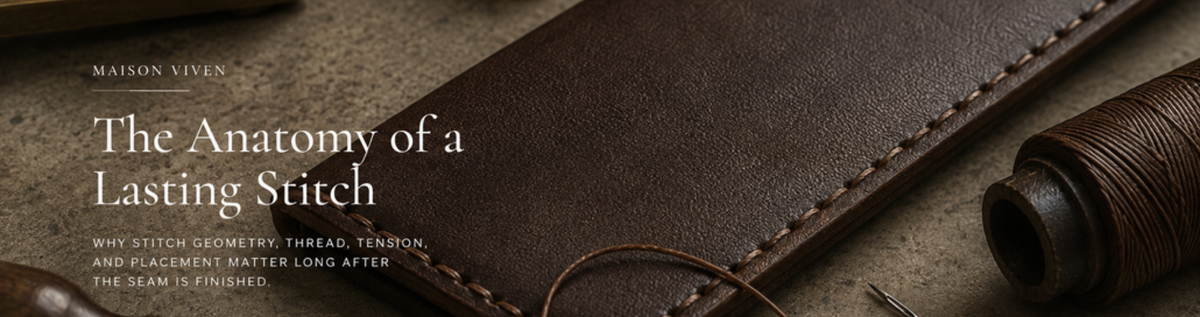
The Anatomy of a Lasting Stitch
Discover how stitch length, thread, tension, edge distance, and seam geometry influence the durability and refinement of well-made leather goods.
Read more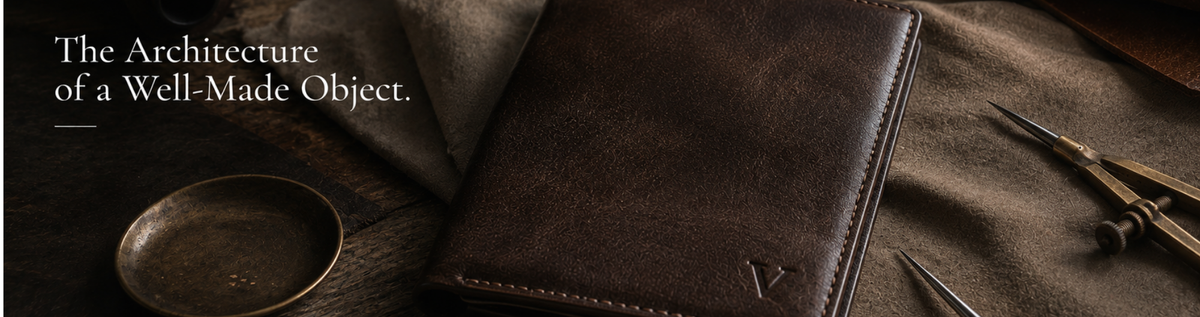
The Architecture of a Well-Made Object
Discover the hidden architecture of well-made leather goods—from reinforcement and skiving to lining, hardware, and structure designed for years of use.
Read more